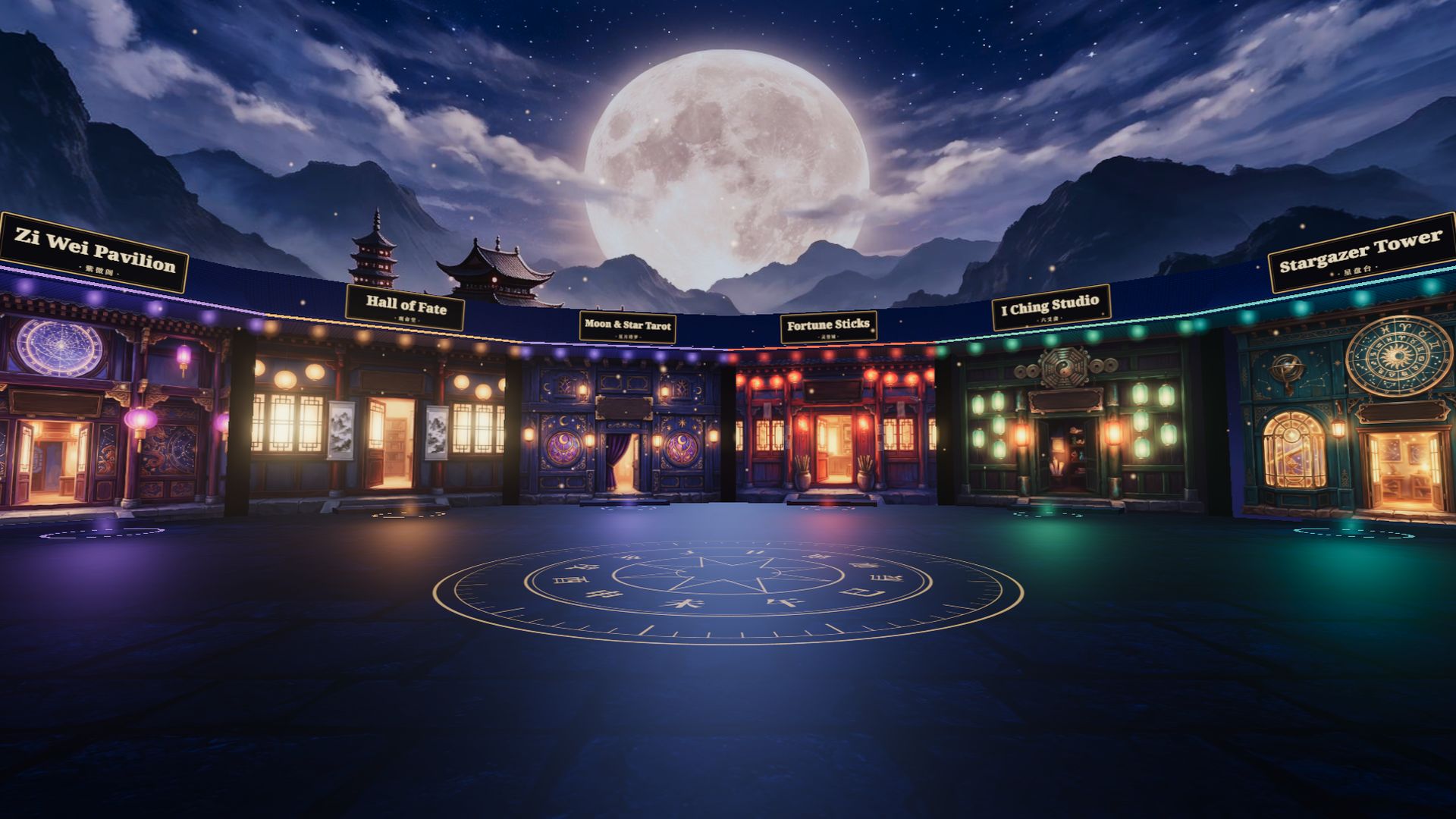
A tarot deck has 78 cards: 22 Major Arcana for life's big themes and 56 Minor Arcana in four suits for everyday matters. Start with the three-card spread (past, present, future) to practice turning several cards into one story. Move on to the Celtic Cross when you want the full picture of a situation.
How the 78 cards are organized
The 22 Major Arcana run from 0, The Fool, to 21, The World, and cover turning points and growth. When several turn up in one reading, the matter usually weighs heavily on you, or part of it is outside your control.
The 56 Minor Arcana come in four suits. Each suit has cards numbered 1 to 10 plus four court cards: Page, Knight, Queen and King. Wands are action, drive and new ventures. Cups are feelings and relationships. Swords are thought, communication and conflict. Pentacles are money, work and the body. Learn what each suit is about and what the numbers suggest (1 is a beginning, 10 a completed cycle), and you can work out the gist of most Minor cards before memorizing anything.
How to ask a good question
Tarot answers open questions best: ‘What should I pay attention to?’ or ‘Where is this heading?’ Instead of ‘Does he love me?’, try ‘What do I need to see clearly in this relationship?’ Instead of ‘Will I get promoted?’, try ‘What should I focus on to go for this opportunity?’ The more specific the question, the easier the cards are to read.
Draw once per question. Redrawing until you like the answer only muddies the reading, and it usually means you already know what you want to hear.
The three-card spread, step by step
The three positions are Past (how things got here), Present (your current situation and state of mind) and Future (the likely trend if nothing changes). Look at each card on its own first, then read the three as one sentence.
Say the question is about a recent upheaval at work, and you draw: Past – The Tower upright (sudden upheaval, truth revealed, old structures collapsing). Present – Ten of Swords reversed (slow recovery, getting back up, a drawn-out ending finally over). Future – The Star upright (hope, healing, long-term guidance).
Together: a sudden change knocked down the old arrangement. Upright, the Ten of Swords is rock bottom. Reversed, it says the worst is behind you and you are getting back on your feet. The Star says the way forward will become clearer. It points to long-term guidance rather than an overnight rescue, so give yourself time to recover. Notice the middle card: the same Ten of Swords describes a completely different stage depending on which way it lands.
The Celtic Cross: ten positions
The Celtic Cross is the classic full spread. At Moon & Star Tarot the ten positions are: 1 Present (the heart of the matter), 2 Challenge (what crosses you, as obstacle or help), 3 Foundation (the deeper cause), 4 Recent past (influences now fading), 5 Goal (the best you consciously aim for), 6 Near future, 7 Self (your attitude), 8 Environment (people and surroundings), 9 Hopes and fears, 10 Outcome (where the current path leads).
A workable reading order: start with the crossing pair, 1 and 2, to pin down the issue and the sticking point. Then read 3 through 6 as a timeline from root cause to near future. Finish with the column on the right, 7 to 10, which moves from you to your surroundings to your hopes and fears and lands on the outcome. Compare the Outcome with card 1. If the outcome looks poor, look back at 7 and 9. That is usually where you can change something.
Beginner mistakes
Memorizing keywords and stopping there. A card means something different in the Challenge position than in the Outcome position, so always read it in context.
Panicking over card names. Death stands for endings, rebirth and deep transformation, not literal death. The Tower often breaks something that needed breaking.
Treating the outcome as fixed. Tarot shows where the current path leads. Change what you do and the direction changes too.
Drawing cards at Moon & Star Tarot
Vera first asks you to pick a deck – tarot (78 cards) or Lenormand (36) – and a spread. The tarot spreads are Card of the Day (1 card), the Three-Card Spread, Two Options (5), the Love Spread (5: you, them, the relationship now, obstacle, direction) and the Celtic Cross (10). The question is optional.
After shuffling, the cards are spread on the table. Whether each card is upright or reversed is fixed when they are laid out, and you click to choose your cards yourself. They then turn over one by one. The result panel lists each position, the card, whether it is upright or reversed, and its keywords. Every card name links to the card meanings dictionary. The AI quick reading is free. The full reading costs points and lets you ask follow-ups. The AI interprets only the cards you drew and never swaps them. The tarot page also shows a town-wide Card of the Day, which changes daily at midnight Beijing time.
FAQ
Do I need to memorize all 78 meanings first?
No. Learn what each suit covers, the rough arc of the numbers 1 to 10 and the 22 Major Arcana, and you are ready for a three-card spread. Look up the rest in the card dictionary as they come up.
Can I draw without a specific question?
Yes. Choose Card of the Day and treat it as a theme or attitude to watch for today, or leave the question box empty and shuffle.
Is an online tarot reading accurate?
The cards are drawn at random, the meanings follow tarot tradition, and the AI connects them in plain language. It is a way to look at a situation from a new angle, for entertainment and self-reflection only. It can't make decisions for you.
Should I use the three-card spread or the Celtic Cross?
Use three cards for a quick look at how one situation is unfolding. Use the Celtic Cross when many people or factors are involved and you want to see inner and outer causes. Get comfortable with three cards first.
Further reading
More guides
This article was compiled by AI from FateTown’s own chart rules and data. For entertainment and self-reflection only. · Updated 2026-11-19