Moon & Star Tarot
Free Tarot Reading Online at Moon & Star Tarot
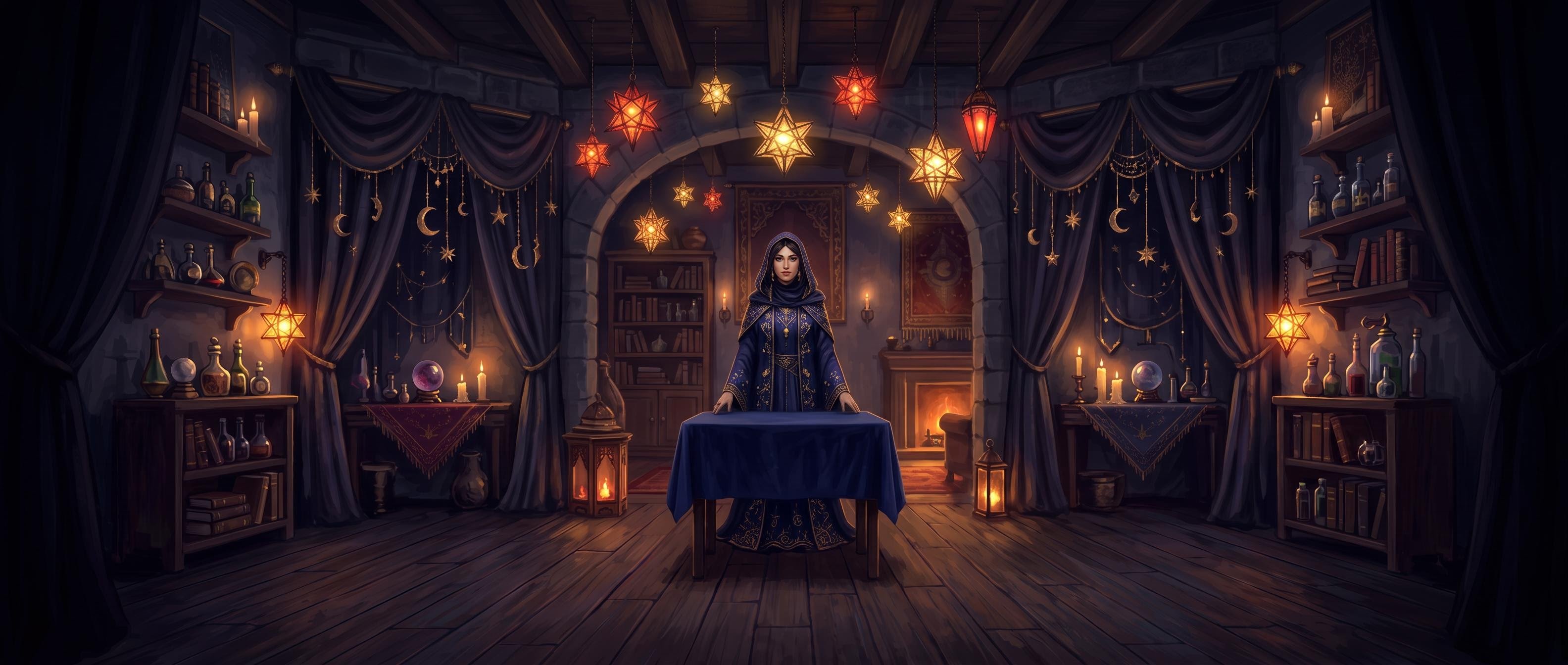
Good evening, traveler. I'm Vera. Hold your question clearly in your mind, choose a spread, and then draw from my cards.
Card of the day · November 27
Today's card for the whole town
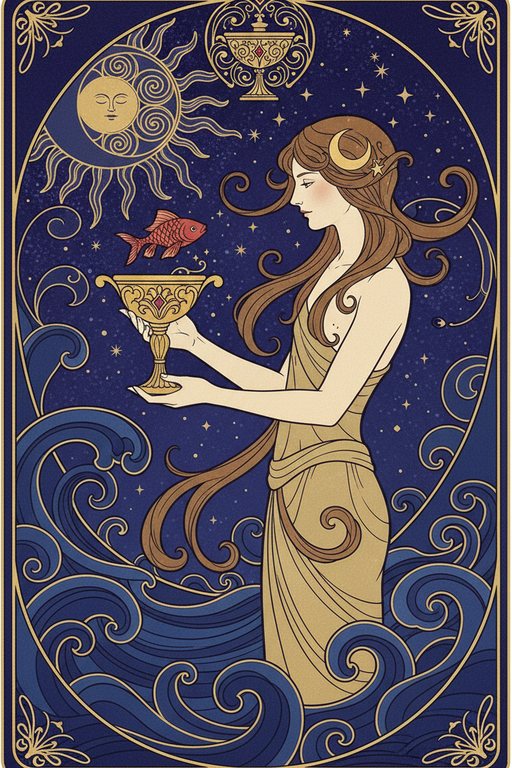
Page of Cups
UprightToday's note: Tender news, creativity, sensitivity.
This card changes once a day (Beijing time) and everyone sees the same one. To ask about your own question, draw your cards above.
About
What is a tarot reading?
Tarot is a deck of 78 picture cards that has been used for reflection and divination in Europe since the eighteenth century. Twenty-two cards form the Major Arcana, big archetypes such as The Fool, The Lovers and The Tower. The other fifty-six, the Minor Arcana, are split into four suits (Wands, Cups, Swords and Pentacles) and describe the everyday side of life: work, feelings, conflict and money.
In a reading you ask a question, shuffle, and lay a few cards into a spread. Each place in the spread has a job (“the past”, “the obstacle”, “where this is heading”), and the card that lands there is read in that light. A card can come up upright or upside down; a reversed card usually means the same energy blocked, delayed or turned inward.
Tarot does not hand down a fixed future. It works best as a mirror: the images give you a new angle on a situation you already half understand, and a good reading leaves you with something to think about or try. That is how we treat it here. Readings are generated by AI for entertainment and self-reflection.
At Moon & Star Tarot you use the complete deck, all 78 cards with reversals, with the standard meanings most modern readers learn, and choose from five spreads. You can also switch the same table to the 36-card Lenormand deck, a different and more literal tradition that has its own page.
Reading the result
The spreads and the basics
You don't need to know the cards to use this shop. These notes explain what you'll see on the table and in the result panel.
- Card of the Day (1 card)
- One card as a theme for today. Good for a quick check-in, or for learning the deck one card at a time.
- Three-Card Spread
- Past, Present, Future. The most popular layout for a reason: it shows how a situation got here, where it stands, and where it leans if nothing changes.
- Two Options (5 cards)
- One card for where you stand, then a path card and an outcome card for each choice. Use it when you are weighing A against B.
- Love Spread (5 cards)
- You, them, the relationship now, what is in the way, and the direction it may take. It describes the dynamic between two people rather than predicting a yes or no.
- Celtic Cross (10 cards)
- The classic full spread: present, challenge, foundation, recent past, goal, near future, self, environment, hopes and fears, and outcome. Best for a bigger question you want to see from many sides.
- Major and Minor Arcana
- Major cards point to large themes and turning points. Minor cards fill in the detail: Wands for drive and projects, Cups for feelings, Swords for thought and conflict, Pentacles for money, body and work.
- Upright and reversed
- Reversed does not simply mean “bad”. It often reads as the card's energy held back, overdone, or happening on the inside. The result panel labels every card, and the AI takes orientation into account.
- The town's card of the day
- Above this text you'll see one card that everyone in FateTown shares today. It is set by the date, not drawn for you, and changes every day. Your own reading happens at the table.
What is different here
Why read tarot in FateTown
You pick the cards. Instead of a button that flashes a random result, Vera shuffles a real 78-card deck on a 3D table and you choose from the fan, the way you would in person. It runs in any modern browser on phone or desktop.
The cards are fixed before anything is interpreted. The shuffle decides which cards and which way up; the server checks the card names; the AI receives only that result and is told not to swap or soften it. It explains the cards you actually drew.
Every card links to its meaning, so you can read the upright and reversed meanings yourself and compare them with what the AI said. Paid readings can continue as a conversation, and you can share a reading by link or post it to the Town Square if you want to.
Related readings
More from Moon & Star Tarot
Card references, the Lenormand deck, and guides for beginners.
- Tarot card meaningsAll 78 cards, upright and reversed, in love and work.
- Lenormand readingThirty-six cards read as a sentence, in lines of 3 or 5 or a 9-card square.
- Lenormand card meaningsRider, Clover, Ship and the rest, with common combinations.
- Guide: tarot for beginnersHow to phrase a question and read a three-card or Celtic Cross spread.
- Guide: reading reversed cardsWhat changes when a card comes up upside down.
Is this tarot reading really free?
Drawing cards and the short AI reading are free, within a daily allowance: guests get a few each day, signing in gives you more, and members get more again by tier. The full reading, and follow-up questions after it, use points.
Are the cards really random?
Yes. The deck is shuffled with your browser's random number generator, about three cards in ten come up reversed, and you choose which face-down cards to take. Once drawn, the result is fixed and the AI only interprets it.
Which spread should I choose?
For a quick daily theme, Card of the Day. For most questions, the Three-Card Spread. For a decision, Two Options. For a relationship, the Love Spread. For a complex situation you want to see in full, the Celtic Cross.
Can tarot answer yes or no?
It can lean one way. Many readers treat mostly upright, bright cards as a “yes, with conditions” and heavy or reversed cards as “not yet”. A single card is the simplest way to ask, but you'll get more out of asking how or why.
Is tarot accurate?
The draw is random and the meanings follow the standard tradition, but whether a reading feels right depends on how it connects with your situation. Treat it as a prompt for reflection, for entertainment and self-exploration, not as a forecast.
What does a reversed card mean?
Usually the card's theme is blocked, delayed, excessive or being worked out privately. Each card's reversed meaning is shown in the result and on the card meanings page.
Can I ask a love question?
Yes. Use the Love Spread, or any spread with a question about your relationship. The reading describes the dynamic and what you can do; it won't tell you what another person is secretly thinking as a fact.
How often can I draw?
As often as you like. A good habit is one reading per question, then giving it some time before asking the same thing again.
What is the card of the day at the top of the page?
It is a single card shared by everyone in town for the date (Beijing time), chosen from the date itself. It is a fun daily theme, separate from the cards you draw at Vera's table.
Who is Vera? Is a real reader involved?
Vera is the character who runs the shop. The cards are dealt by software and the reading is written by AI; there are no live readers on FateTown.
Other shops in town