Divination Dictionary
Tarot Card Meanings: The Suit of Swords
Swords are the suit of air. They cover thought, words, truth, decisions and conflict. When Swords appear, a reading is about what you think and say: a hard choice, an argument, an anxious mind, or the clarity that cuts through confusion.
This is the most challenging suit in the deck, with heartbreak in the Three, anxiety in the Nine and a dramatic ending in the Ten. But it opens with the Ace, a breakthrough of clear thinking, and its court cards show the mind at its sharpest and fairest. Each card below has its upright and reversed meanings, love, career and money, and advice with a yes-or-no leaning.
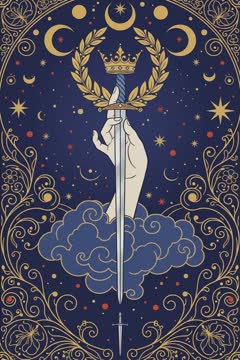
Ace of Swords
Clear thinking, a breakthrough and the truth cutting through confusion.
Upright meaning
The Ace of Swords shows a hand from a cloud holding an upright sword topped with a crown. Swords are the suit of air: thought, words and decisions. Upright, the Ace means mental clarity, a breakthrough idea and the truth coming out. You finally see the situation as it is.
Reversed meaning
Reversed, thinking gets muddled. It can mean poor judgment, a misunderstanding or confused communication. Sometimes it warns that a sharp truth is being used to hurt rather than to clarify.
Love and feelings
An honest conversation that clears the air, or seeing a relationship clearly for the first time. It favors directness. It is not the softest love card, but clarity is often what a stuck relationship needs most.
Career and money
A new idea, a clear plan, a successful negotiation or a decision that unblocks a project. It favors writing, analysis, law and strategy. Financially, make decisions based on numbers, not hopes.
Advice and yes or no
Think clearly and say what is true. As a yes-or-no card, the Ace of Swords is yes, once you have the facts.
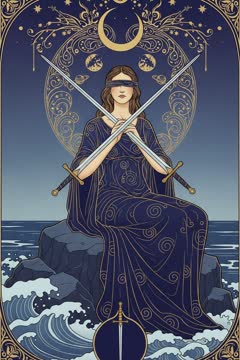
Two of Swords
A dilemma, stalemate and avoiding a decision for now.
Upright meaning
The Two of Swords shows a blindfolded woman sitting with two crossed swords over her chest, the sea behind her. Upright, it means a stalemate, a difficult choice and avoiding it by refusing to look. Balance is kept, but at the cost of moving forward.
Reversed meaning
Reversed, information surfaces and the decision can no longer be avoided. It can bring relief, or anxiety as the pressure grows. The blindfold is slipping, and it is time to choose.
Love and feelings
Being torn between two people, or a couple avoiding a hard conversation. It can mean a truce that hides unspoken tension. Taking off the blindfold, by talking honestly, is the way out.
Career and money
A difficult decision at work, a negotiation that has stalled, or choosing between two offers. It favors gathering information before deciding. Financially, a period of indecision.
Advice and yes or no
Take off the blindfold and make the call. As a yes-or-no card, the Two of Swords means undecided: get more information.
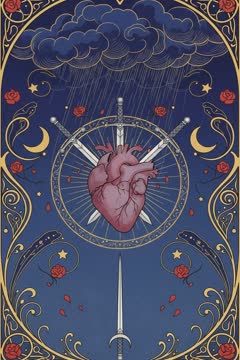
Three of Swords
Heartache, separation and sorrow: three swords through a heart.
Upright meaning
The Three of Swords shows a red heart pierced by three swords against a rainy, gray sky. It is one of the most recognizable images in tarot. Upright, it means heartbreak, grief and painful truth. Something hurts, and the card does not pretend otherwise.
Reversed meaning
Reversed, it means healing from hurt, letting go and moving toward reconciliation. The worst of the pain has passed, though it may still need time and honest words.
Love and feelings
A breakup, betrayal, or painful words in a relationship. It can also show grief over something that did not happen. Reversed, it points to forgiveness and recovery.
Career and money
Disappointment, rejection or conflict at work. It can mean painful feedback that is ultimately useful. Financially, a loss that stings.
Advice and yes or no
Allow yourself to feel it, then begin to heal. As a yes-or-no card, the Three of Swords is no.
Four of Swords
Rest, recovery and quiet recuperation before the next round.
Upright meaning
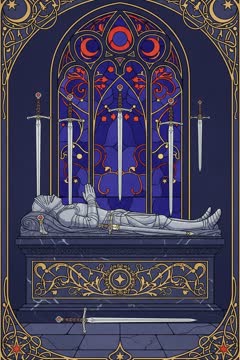
The Four of Swords shows a knight lying still on a tomb, hands together, with three swords on the wall above and one beneath him. Upright, it means rest, recovery and contemplation. After stress or conflict, it is time to pause and regain strength.
Reversed meaning
Reversed, it points to restlessness, burnout or the feeling that it is time to get going again. It can mean you are not allowing yourself enough rest, or that the rest has turned into stagnation.
Love and feelings
Taking a break, needing space, or a quiet period in a relationship. It favors calm and recovery rather than big decisions. For singles, time to heal before dating again.
Career and money
A break, a sabbatical, or a slower period at work. It favors planning and recovering energy. Financially, keep things steady and avoid big moves.
Advice and yes or no
Rest now so you can act later. As a yes-or-no card, the Four of Swords means not yet.
Five of Swords
Conflict and a costly win: saving face but losing out.
Upright meaning
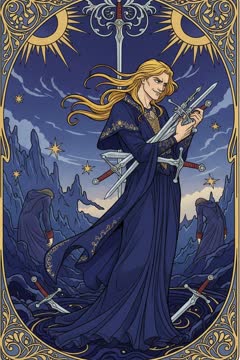
The Five of Swords shows a smirking man holding three swords while two defeated figures walk away, two more swords left on the ground. Upright, it means conflict, winning at any cost and hollow victory. Someone may win the argument but lose the relationship. The card asks what the win is really worth.
Reversed meaning
Reversed, it means reconciliation, dropping the fight or admitting fault. The urge to win fades and repairing things becomes more important.
Love and feelings
Arguments, power struggles or hurtful words. It asks whether being right is worth the damage. Reversed, a chance to make peace and apologize.
Career and money
Office conflict, unfair competition or a win that damages relationships. It favors choosing your battles. Financially, beware of deals where someone gets hurt.
Advice and yes or no
Decide whether this fight is worth it. As a yes-or-no card, the Five of Swords is no.
Six of Swords
Getting through hard times and leaving trouble behind for calmer waters.
Upright meaning
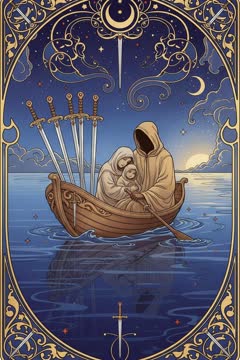
The Six of Swords shows a ferryman rowing a woman and a child across the water toward a distant shore, six swords standing in the boat. Upright, it means transition, leaving difficulty behind and moving toward calmer times. The journey may be sad, but it is the right one.
Reversed meaning
Reversed, it points to being unable to move on, obstacles in the transition or unresolved issues following you. You may be stuck between where you were and where you need to go.
Love and feelings
Moving past a difficult period, leaving a toxic relationship, or a couple going through hard times together toward better ones. It favors gradual healing.
Career and money
A job change, a relocation or leaving a difficult work situation. It favors moving toward stability. Financially, things slowly improve.
Advice and yes or no
Keep moving toward calmer water. As a yes-or-no card, the Six of Swords is yes, gradually.
Seven of Swords
Strategy and cutting corners: going it alone, sometimes not entirely honestly.
Upright meaning
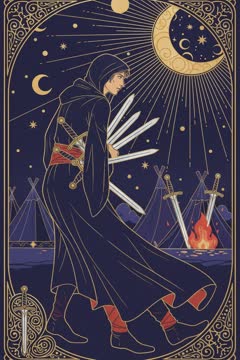
The Seven of Swords shows a man tiptoeing away from a military camp with five swords in his arms, looking back over his shoulder, two swords left stuck in the ground. Upright, it means strategy, secrecy and sometimes deception. Someone may be acting alone, taking a shortcut or not telling the whole story, and that someone might be you.
Reversed meaning
Reversed, it means being found out, a guilty conscience or deciding to come clean. Secrets surface, plans made in private become public, and honesty turns out to be the simplest option left.
Love and feelings
Secrecy, mixed signals or someone keeping their options open. It can also mean you are hiding your real feelings to avoid being hurt. Reversed, the truth comes out and the relationship has a chance to reset on honest terms.
Career and money
Strategic moves, working around a rule, or office politics. It can warn of someone taking credit for your work, so keep records. Financially, double-check agreements and read anything you sign.
Advice and yes or no
Be strategic, but stay honest about what you are doing. As a yes-or-no card, the Seven of Swords means unclear: look closely at the motives involved.
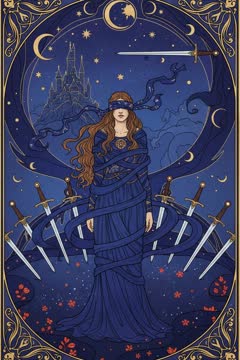
Eight of Swords
Feeling trapped by self-imposed limits, while the way out is open.
Upright meaning
The Eight of Swords shows a bound and blindfolded woman standing in mud among eight swords. Look closely and the ropes are loose and the swords do not fully surround her. Upright, it means feeling trapped, helpless or restricted, when much of the restriction comes from fear and from the story you are telling yourself.
Reversed meaning
Reversed, it means breaking free, seeing a way out and regaining strength. The blindfold slips, you notice the gap between the swords, and options that seemed impossible start to look practical.
Love and feelings
Feeling stuck in a relationship, or unable to leave or to commit because of fear. It can also mean old hurt holding you back from someone new. Reversed, a sense of freedom and a fresh perspective on what you want.
Career and money
Feeling trapped in a job or limited by circumstances such as money or qualifications. It asks which limits are real and which are assumptions. Financially, look again at options you dismissed too quickly.
Advice and yes or no
Question the walls around you, and take one small step out. As a yes-or-no card, the Eight of Swords means no for now, until you change your view.
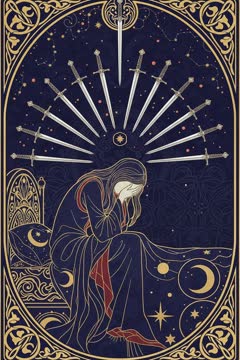
Nine of Swords
Anxiety, sleepless nights and excessive worry: the fears of 3 a.m.
Upright meaning
The Nine of Swords shows a person sitting up in bed with their face in their hands, nine swords hanging on the dark wall behind them. Upright, it means anxiety, worry, guilt and sleepless nights. The swords are on the wall, not in the person, which is the point: the fear often lives in the mind more than in the facts.
Reversed meaning
Reversed, it means moving past anxiety, gaining perspective or reaching out for help. The worst fears begin to shrink once they are said out loud, and you start to sleep better.
Love and feelings
Worry about a relationship, fear of rejection, or guilt about something you said or did. It asks you to share the fear instead of rehearsing worst cases alone at night.
Career and money
Stress, fear of failure or dread about a deadline. It favors talking to someone you trust and breaking the problem into steps. Financially, anxiety over money that a clear budget can calm. If anxiety is constant, speaking to a professional is a good idea.
Advice and yes or no
Say the worry out loud and check how real it is. As a yes-or-no card, the Nine of Swords is no.
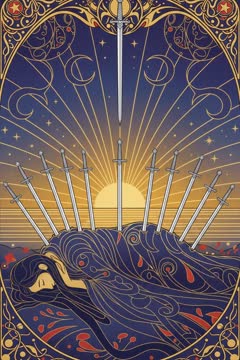
Ten of Swords
Rock bottom and an ending: the worst is over.
Upright meaning
The Ten of Swords shows a man lying face down with ten swords in his back, under a black sky that turns golden at the horizon. Upright, it means a painful ending, betrayal or hitting rock bottom. The image is dramatic on purpose: this is the point where it cannot get worse, and the dawn in the background says recovery has already begun.
Reversed meaning
Reversed, it means slow recovery, getting back up and a drawn-out ending finally being over. You are picking yourself up and pulling out the swords one at a time, which takes patience.
Love and feelings
A painful breakup or the definite end of a relationship, sometimes with a sense of betrayal. Reversed, recovering, learning from it and being ready to move on.
Career and money
A job loss, a failed project or a major setback. Hard as it is, it clears the way for a fresh start. Financially, a low point that marks the end of a run of losses.
Advice and yes or no
Let it end, then turn toward the light. As a yes-or-no card, the Ten of Swords is no.
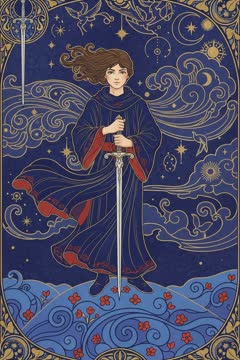
Page of Swords
A thirst for knowledge, alertness and new ideas: a curious, restless mind.
Upright meaning
The Page of Swords shows a young person on a windy hill, sword raised, birds and clouds moving fast behind them. Upright, it means curiosity, alertness and an eagerness to learn and debate. It brings new ideas, quick thinking and the energy of someone who wants to understand how everything works.
Reversed meaning
Reversed, it points to gossip, speaking rashly or scattered attention. Words are used carelessly, a rumor spreads, or all that mental energy goes into arguing instead of learning.
Love and feelings
A curious, talkative romance with lots of messages and late-night conversations. It favors honesty and wit. Reversed, beware of gossip about your relationship or of saying something you cannot take back.
Career and money
Learning, research, journalism and new projects that need fresh thinking. It favors asking questions, gathering information and checking facts before acting.
Advice and yes or no
Stay curious, and think before you speak. As a yes-or-no card, the Page of Swords means maybe: find out more.
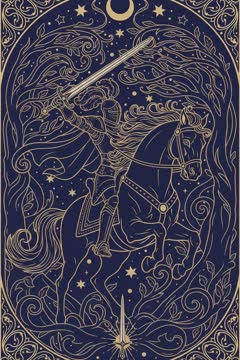
Knight of Swords
Decisive, direct and fast action, charging ahead at full speed.
Upright meaning
The Knight of Swords charges on a galloping white horse, sword raised, straight into the wind. Upright, he means ambition, decisiveness and fast action. He knows what he thinks, says it plainly and goes after it without hesitation, which is exactly what some situations need.
Reversed meaning
Reversed, he points to recklessness, careless words or impatience. He charges before the plan is ready, runs over people's feelings or starts arguments he cannot finish.
Love and feelings
A direct, fast-moving romance, or a partner who says exactly what they think. It can be exciting but tactless. Reversed, impulsive words may cause damage, so slow down before a difficult talk.
Career and money
Quick decisions, pushing a project forward hard, debates and competitive fields. It favors action and directness, but double-check details at this speed. Financially, avoid rash moves.
Advice and yes or no
Act decisively, but think one step further first. As a yes-or-no card, the Knight of Swords is yes, quickly.
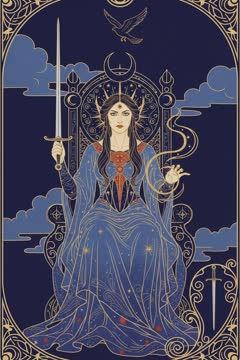
Queen of Swords
Independence, reason and clear boundaries: honest, perceptive and sharp.
Upright meaning
The Queen of Swords sits on a throne in the clouds, sword held upright in one hand and the other hand extended, as if inviting a straight answer. Upright, she means independence, clear thinking and honesty. She has learned from experience, sees through excuses and sets firm boundaries without apology.
Reversed meaning
Reversed, she points to coldness, harshness or being overly critical. Her honesty can become cruelty, and past hurt can make her close off from people who mean well.
Love and feelings
An independent partner who values honesty, or a relationship where clear communication matters more than romance. Reversed, coldness or bitterness after a past breakup.
Career and money
Analysis, editing, law, management and any role that requires sound judgment. She favors clear boundaries, precise writing and saying no when needed. Financially, careful and well informed.
Advice and yes or no
Be honest and clear, and stay kind while doing it. As a yes-or-no card, the Queen of Swords is yes.
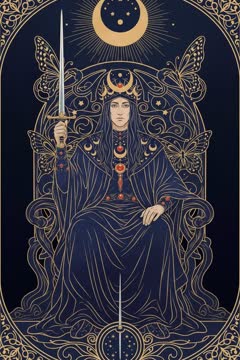
King of Swords
Intellect, authority and fair judgment based on facts.
Upright meaning
The King of Swords sits facing forward on a throne decorated with butterflies, holding his sword slightly tilted. Upright, he means intellect, authority and fairness. He makes decisions based on facts and principles, explains his reasons and holds everyone, himself included, to the same standard.
Reversed meaning
Reversed, he points to ruthlessness, abuse of power or stubbornness. Logic turns into coldness, and authority into control or manipulation.
Love and feelings
A rational, fair partner who is better at solving problems than at expressing feelings. He favors honest agreements. Reversed, emotional distance or a partner who always has to be right.
Career and money
Law, consulting, leadership, academia and technical work. He favors rational decisions, expert advice and clear contracts. Financially, he suggests good planning and sound advice.
Advice and yes or no
Decide based on facts, and explain your reasoning. As a yes-or-no card, the King of Swords is yes, if the facts support it.
FAQ
What do Swords represent in tarot?
Swords represent air: the intellect, communication, truth and conflict. They describe decisions, arguments, plans, worries and the way you think about a situation.
Are Swords cards always negative?
No. Several are difficult, but the Ace of Swords is a breakthrough, the Six is a passage to calmer times and the Four is rest. The court cards stand for clear, honest minds. Swords simply tend to be direct.
What does the Ten of Swords mean?
It means a painful ending or hitting rock bottom, but also that the worst is over. The dawn at the horizon of the card is a reminder that recovery begins from this point.
Try it yourself in FateTown
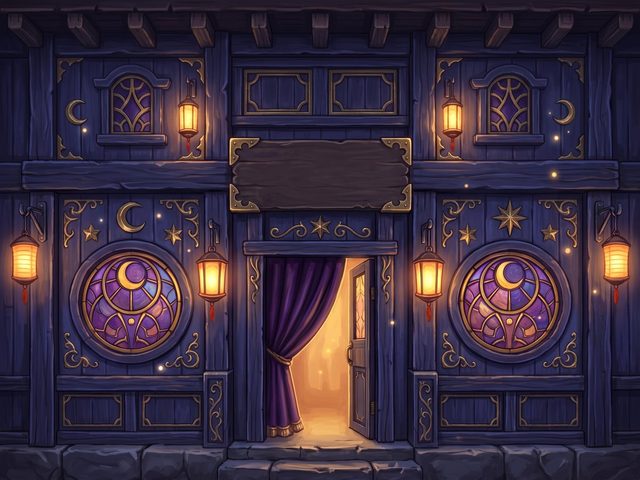
Try it in FateTown
Moon & Star Tarot
Vera shuffles with you and you pick the cards yourself. The draw is fixed before the animation starts; AI only explains it.
Draw a card in the tarot shopThis page was compiled by AI from FateTown’s own card, hexagram and fortune-stick data. For entertainment and self-reflection only. · Updated 2026-11-19